Local communities in Kenya are bringing life back to an entire ecosystem Voices for Just Climate Action
Deze content is in het Engels. Wil je meer informatie? Neem dan contact op!
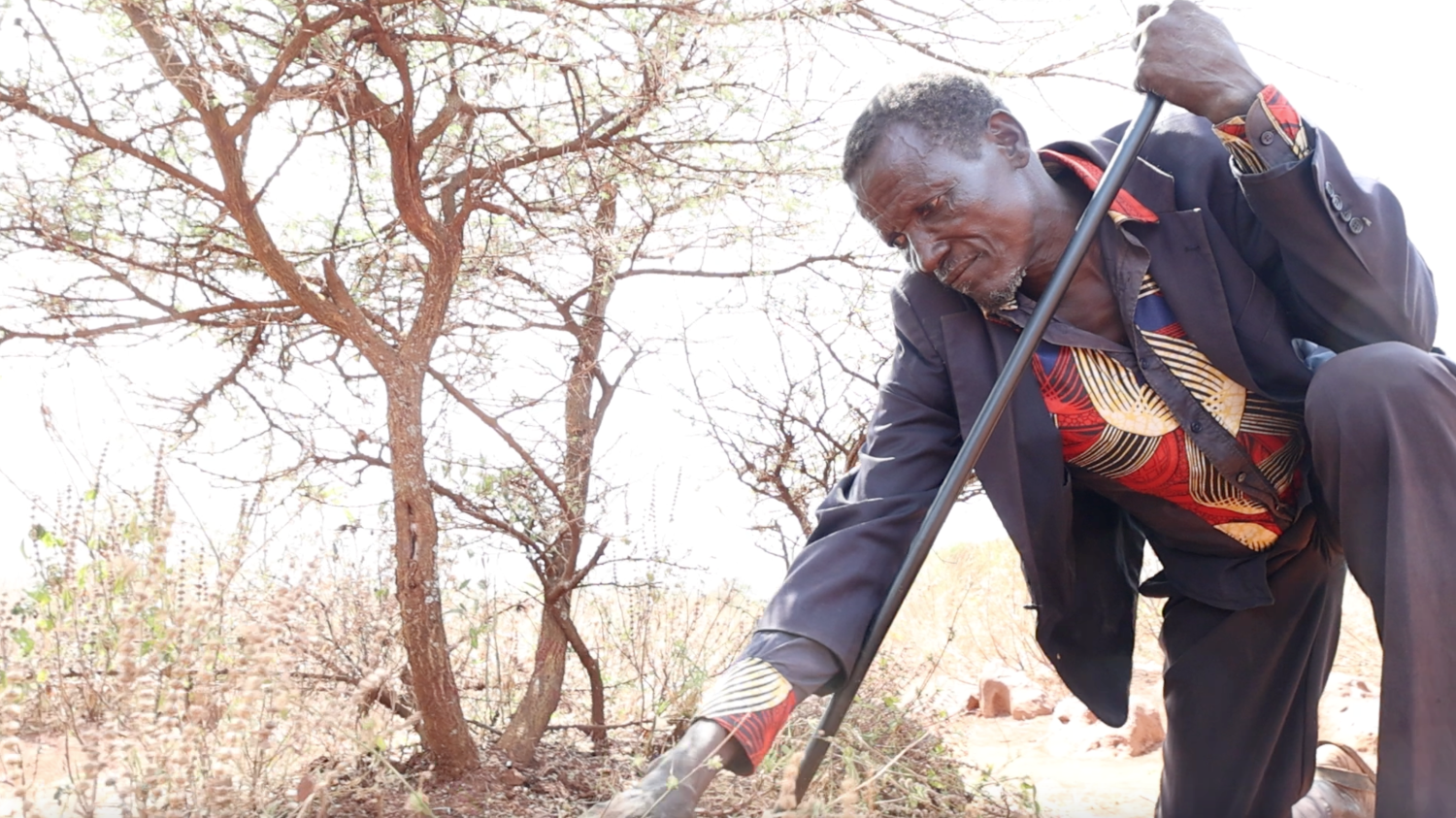
"My name is David Ngorori. I am the chairman of this region called Karare Scheme in Marsabit. In our community, 'Ramat' means 'to take care of', coming together to take care of our land. For years, we watched our land degrade due to deforestation, overgrazing, and climate change. Dust storms swept through our villages, and the indigenous trees that once provided shade, medicine, and food for our livestock disappeared. We knew something had to change."
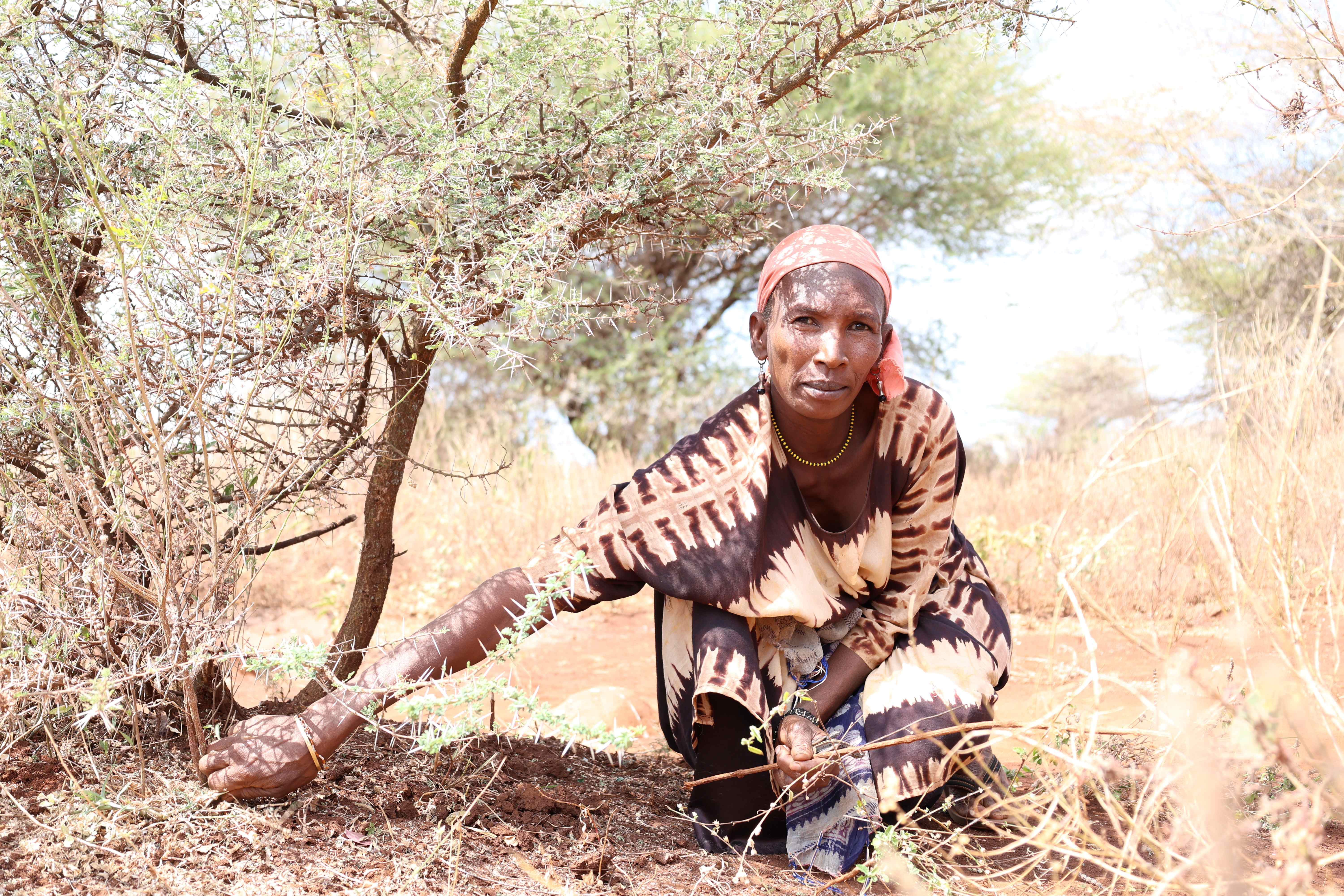
That change came through Ramat, a community-led model for restoring drylands, developed by the people of Marsabit County in northern Kenya. Over the past year, more than 1,400 community members, including elders, women, and youth, have worked together to revive over 550 hectares of degraded land.
With support from Nature and People As One (NAPO) and the Voices for Just Climate Action (VCA) program, they co-created a practical and deeply local approach to protect native trees, restore ecosystems, and build resilience. Trees are identified, cared for, and marked with paint to show they’re under communal protection. Restoration days are now part of community life, and young people are using mobile apps and mapping tools to track progress and keep the momentum going.
Local climate challenges and their Impact
Marsabit County, located in Kenya’s northern drylands, has long struggled with desertification and land degradation. Rising temperatures, unpredictable rainfall, and human activities such as unsustainable land use have contributed to the loss of tree cover. For pastoralist communities, who move with their livestock in search of pasture and water, like the Samburu and Rendille community, this loss directly impacts them. It affects livelihoods, water sources, and biodiversity. With fewer trees, the soil becomes dry and eroded, leading to increased dust storms and reduced grazing land.
Because of the changes in the environment, there has been increased cases of human-wildlife conflict as Marsabit is home to elephants, Grevy’s zebras, reticulated giraffes, leopards, lions, and a variety of indigenous bird species.
The Specific Solution: The Ramat Model in Action
Determined to revive their land, community members in Marsabit County have taken matters into their own hands. This resulted in the co-creation of the Ramat Model. The Ramat Model is based on a combination of specific restoration techniques for drylands such as farmer-managed natural regeneration (FMNR). It follows these key steps:
-
Community ‘champions’ (elders, women and youth) are selected from villages and trained to lead the restoration action.
-
Working closely with chiefs and community elders, community bylaws are developed to protect naturally regenerating trees and sites. To ensure compliance, the community agreed on penalties for cutting protected trees, a fine of Ksh5,000 or the equivalent value of a goat.
-
Ramat ‘champions’ mobilize their communities (once every month) to take action on their landscape by pruning and managing tree species to allow regeneration or clearing invasive species
-
To track intervention areas, ‘champions’ paint the trees to signify managed trees restoration sites. This technique is based on previous successes in the Ndoto landscape and works to inform the wider community of active restoration sites as a form of ‘social fence’ to inform community members of action.
Since implementing Ramat, the community has ‘saved’ over 13,000 trees in just one year, significantly transforming the landscape.
The air feels fresher, the soil is starting to hold moisture again, and wild animals–elephants, giraffes, and zebras–are returning to areas where they haven’t been seen in years. The acacia trees are not just restoring the land; they are bringing life back to an entire ecosystem.
How Did VCA Facilitate This Solution?
The Voices for Just Climate Action (VCA) program has played a key role in supporting the Samburu and Rendille communities to lead climate adaptation efforts through indigenous knowledge systems. VCA, through WWF-Kenya and partners like NAPO, has:
-
Provided technical support and training on sustainable rangeland restoration.
-
Facilitated policy engagement, helping communities establish local by-laws that formalize conservation efforts.
-
Strengthened collaboration between communities and local governments, ensuring long-term governance structures support locally led climate solutions.
Related articles
Indigenous Communities Papua Gain Land Rights to Protect Forests
Report: Women Climate Defenders
About amplifying voices for just climate action
The Climate Crisis that we are facing has no frontiers. We believe it is only possible to foster a just transition to low-carbon and climate-resilient futures with a new level of civil society leadership. This is what Voices for Just Climate Action stand for.