
Green finance
This is about systemic change. This is about redirecting the cash flow of the world economy. Imagine trillions of dollars being invested in a green and sustainable way. WWF aims to help redirect global financial flows away from activities that harm nature, and towards those that help it thrive.
How the financial sector can play a key role
All of our money is managed by banks and asset managers. Savings, pension funds, corporate capital and even the national treasury. Financial institutions invest and lend this money. This way, they decide which companies and projects get support. These are investments with potentially major consequences. It can lead to more nature loss or, conversely, to conservation and restoration. This is how the financial sector can make a huge difference in our fight to stop climate change.
Beneficial to both the planet and the financial sector
Dutch financial institutions have invested more than 500 billion euros in companies that are highly dependent on nature, according to the Dutch Central Banks and the Netherlands Environmental Assessment Agency. Increasing loss of nature thus means an increasing risk to companies, and those that invest in them. Therefore, investing in a more sustainable manner does not just benefit our planet, it also has a direct impact on the revenue of financial institutions.
Towards a nature-positive economy
 © Jason Houston / WWF-US
 © Jürgen Freund / WWF
 © Shutterstock / TierneyMJ / WWF
 © Shutterstock / Fulltimegipsy / WWF
 © Michel Gunther / WWF© Jason Houston / WWF-US© Jürgen Freund / WWF© Shutterstock / TierneyMJ / WWF© Shutterstock / Fulltimegipsy / WWF© Michel Gunther / WWF
Our dependence on nature
But it’s not just about the Netherlands. We are in this together. Over half of the world’s total GDP is dependent on nature, estimated by the World Economics Forum. This amounts to roughly 44 trillion dollars. Extreme weather, biodiversity loss and ecosystem collapse pose immediate and long-term risks to the world economy.
But crisis can be turned into opportunity. Food, infrastructure and energy are the industries responsible for almost 80 percent of global loss of nature. If we start investing in the transition of these industries towards nature-positive behaviour, 400 million jobs and $10 trillion in business opportunities are there for the taking.
Exposing financial risks
WWF provides insight into the various ways companies depend on nature and what impact their activities have on biodiversity. And where the risks, but also where the opportunities lie. The Taskforce on Nature-related Financial Disclosures (TNFD) helps us do this.
This is a new framework that provides insights, knowledge and guidelines. WWF also enters into (temporary) partnerships with financial institutions such as Rabobank and Robeco. This way we can make the sector more sustainable from within. During this process we are always upfront, to the point and critical. We want a green, sustainable world, as soon as possible. We make this clear in all our advice.
Green investments
WWF also helps financial institutions invest in green projects and organizations worldwide. One of the ways this is done, is through the Dutch Fund for Climate and Development (DFCD). The fund invests in climate adaptation projects in developing countries while ensuring and supporting local socio-economic development. This is accomplished through the fund’s impact themes like gender equality and social inclusion, food and nutrition security, and biodiversity. Thus making the most vulnerable communities and ecosystems more resilient to the consequences of climate change.
The fund already contains €160 million thanks to the Dutch Ministry of Foreign Affairs. We want to attract another half a billion in private capital for various projects.
We also participate in Mobilising More for Climate. In this program we work together with local companies and organizations on projects that have a positive impact on people and nature in Cameroon, Ghana, Indonesia, Mozambique and Uganda, among others.
Examples of projects
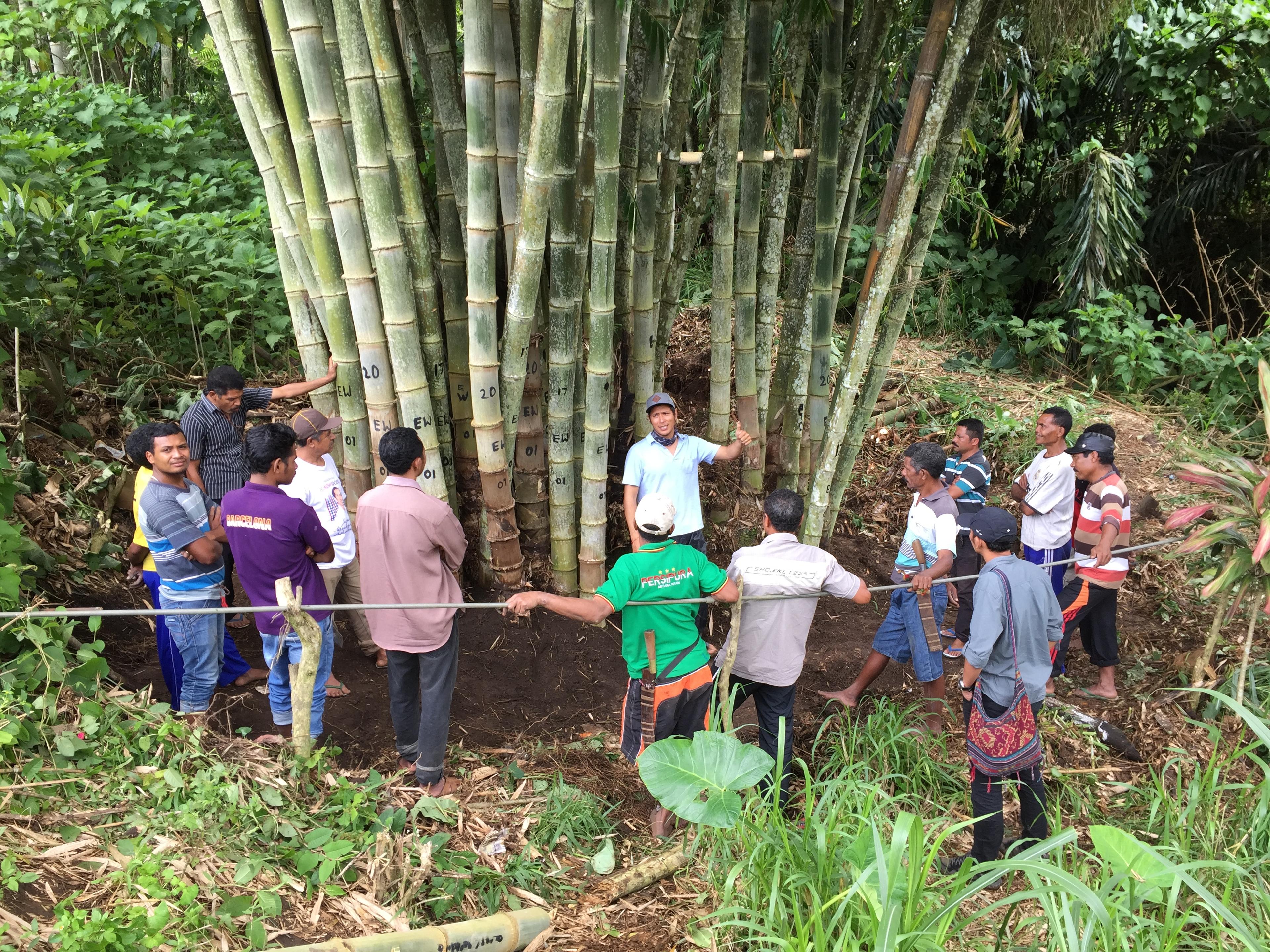
Bankable bamboo
On the Indonesian island of Flores, PT Indobamboo cooperates with local farmers who together manage 10,000 hectares of bamboo forest in a sustainable way. FSC-certified products are made from this bamboo.
After an initial DFCD grant of €350,000, the project attracted the attention of several investors. The company is now working on a long-term plan. Bamboo can store up to 50,000 tons of CO2 per hectare every year. The forests also ensure healthy soil by gradually releasing millions of liters of rainwater during dry season.
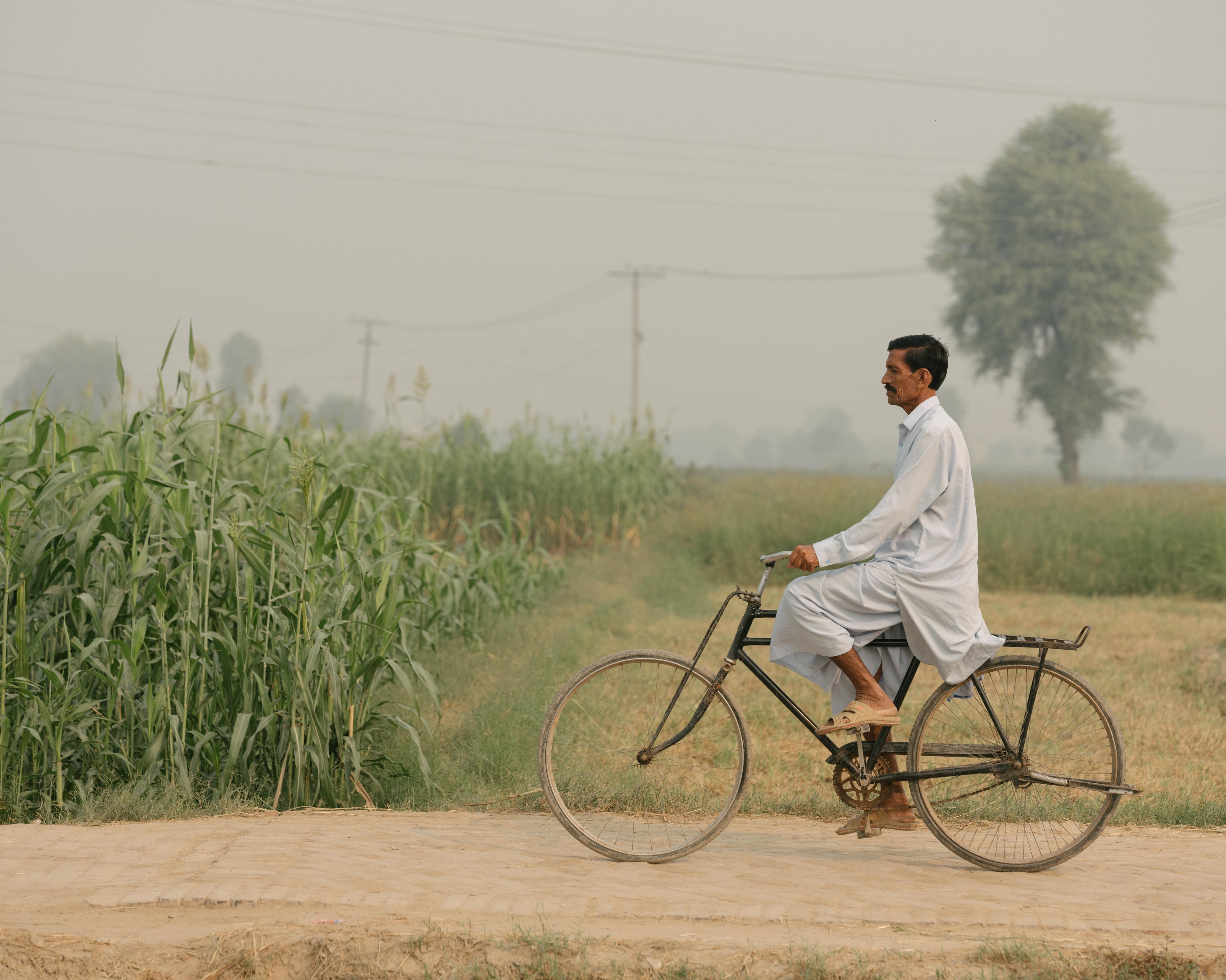
From waste to plates
The Indian company Ranipur Biomass converts sugar cane waste into raw materials for biodegradable cups, plates, cutlery and food packaging. Thanks to a DFCD grant of €274,500, a pilot plant can be built.
Eventually, Ranipur needs €20 million for a larger facility so that they can prevent the loss of 2.7 million tons of biomass, 1.6 million trees from being felled and the release of 183,000 tons of CO2 over the next 10 years. It also brings 20,000 hectares of agricultural land under sustainable management and creates 500 jobs.
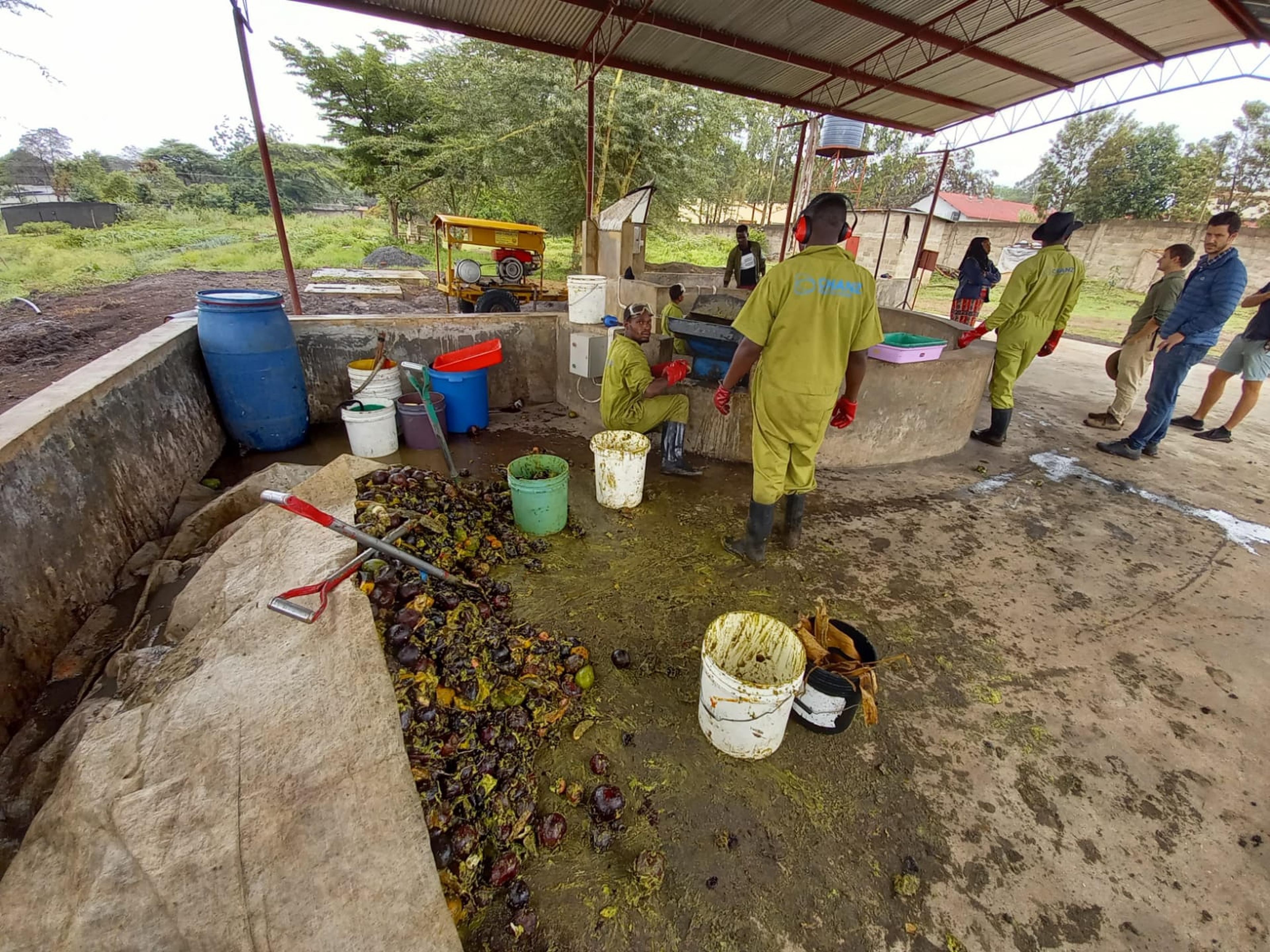
Farming with larvae
In Tanzania, the Chanzi company uses fly larvae to convert food waste into nutritious protein for animal feed and organic fertilizer. This reduces overfishing and dependence on soy cultivation. A DFCD grant of €349,060 has been used to invest in research and development.
Chanzi wants to expand to 50 locations across 5 countries within 4 years. A loan of €10 million is required for this. The current 6 facilities already prevent 85 tons of CO2 emissions every day. Farmers also earn more because the animal feed is cheaper. And it has created jobs for young people and women in particular.
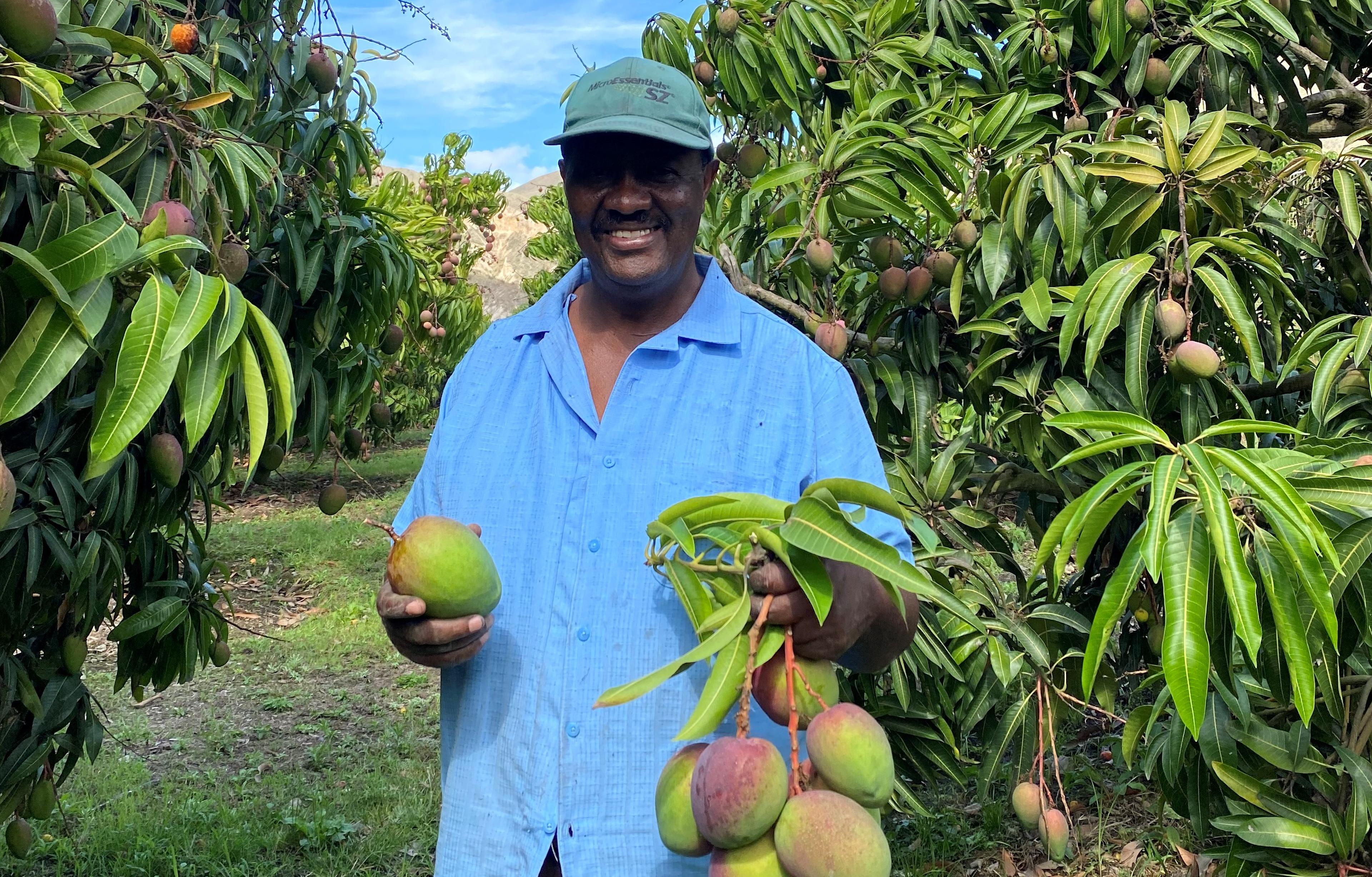
Green credit
Financoop is a cooperative financial institution in Ecuador that provides a credit line to people who are switching to sustainable agriculture. A DFCD grant of €235,000 made it possible to test and monitor their new financial offerings.
The cooperation needs an investment of €10 million so that they can introduce green credit nationally. Then 28,000 hectares of agricultural land can be managed sustainably, making approximately 14,000 farmers more resilient to the consequences of climate change.
1/4
How can you help?
At WWF we aim to support the systemic transition of the financial sector. This means that mainstream financers stop doing harm and start investing in companies and projects that actively do good. We need all hands on deck, and you can help support by asking your bank or pension fund which green options they offer.
Changing banks is not always necessary. The aim is to get as many people and companies as possible to switch to a nature-inclusive economy. The more customers ask for green alternatives, the more important it becomes for the bank or insurer to get started.
More and more financial institutions are recognizing the importance of biodiversity and nature restoration. It reflects in their products. For example, Robeco set up a biodiversity fund for business clients. This way, your money can contribute to a sustainable world.
What did we achieve yet?
Changes from within:
As part of our partnership, Dutch asset manager Robeco launched a biodiversity equities fund for corporate clients. This allows them to invest in the transition of companies towards nature positive. WWF-NL's role is to provide technical advice on biodiversity and nature impact.
For a $100 million loan by Rabobank to the largest Chilean salmon producer, WWF-NL advised on the sustainability criteria that the company must meet.
Rabobank and WWF-NL developed the biodiversity monitor to measure the impact and performance of farmers on the recovery of biodiversity. We focus on goals and not on measures so that entrepreneurs retain the freedom to apply what works for them.
Alliances created
Together with the Dutch Banking Association (NVB), Rabobank and Deloitte, WWF-NL has been leading consultations in the Netherlands with Dutch corporates and financial institutions on the Taskforce on Nature-related Financial Disclosures (TNFD). The TNFD was created for and by the business community to provide guidance on the identification and management of nature-related risks and opportunities, and how to report on them.
The Finance for Biodiversity Pledge is an international association of financial institutions. At the end of 2020, they made a commitment to put the protection and restoration of biodiversity first in all their activities. Dutch institutions are taking the lead. 126 banks, insurers and asset managers worldwide have already joined. Together they manage $19 trillion.
The Sustainable Finance Lab (SFL) is an academic think tank whose members are mostly professors from different universities in the Netherlands. The aim of the SFL is a stable and robust financial sector that contributes to an economy that serves humanity without depleting its environment.
Paper(s)
Together with the Sustainable Finance Lab (SLF) WWF wrote the paper "Finding a way with nature: how central banks and supervisors can start acting on nature-related risks". Or read the summary.
Inspiring Stories & Results
 © Michiel Schaap
Financial sector acknowledges risks and opportunities of nature, but lacks data
 © Global Warming Images / WWF
Financial institutions must address deforestation and conversion risks
 © Shutterstock / Piyaset / WWF
It’s time to treat the climate crisis like the financial crisis
 © WWF Sabine Bos
Nature is Next - Integrating nature-related risks into the Dutch Financial Sector
 © Jan Wärnbäck / WWF-Sweden
A nature-positive Dutch Financial Sector – a policy paper
 © Michel Gunther / WWF
WWF beoordeelt verduurzaming financiële sector

 © Martin Harvey
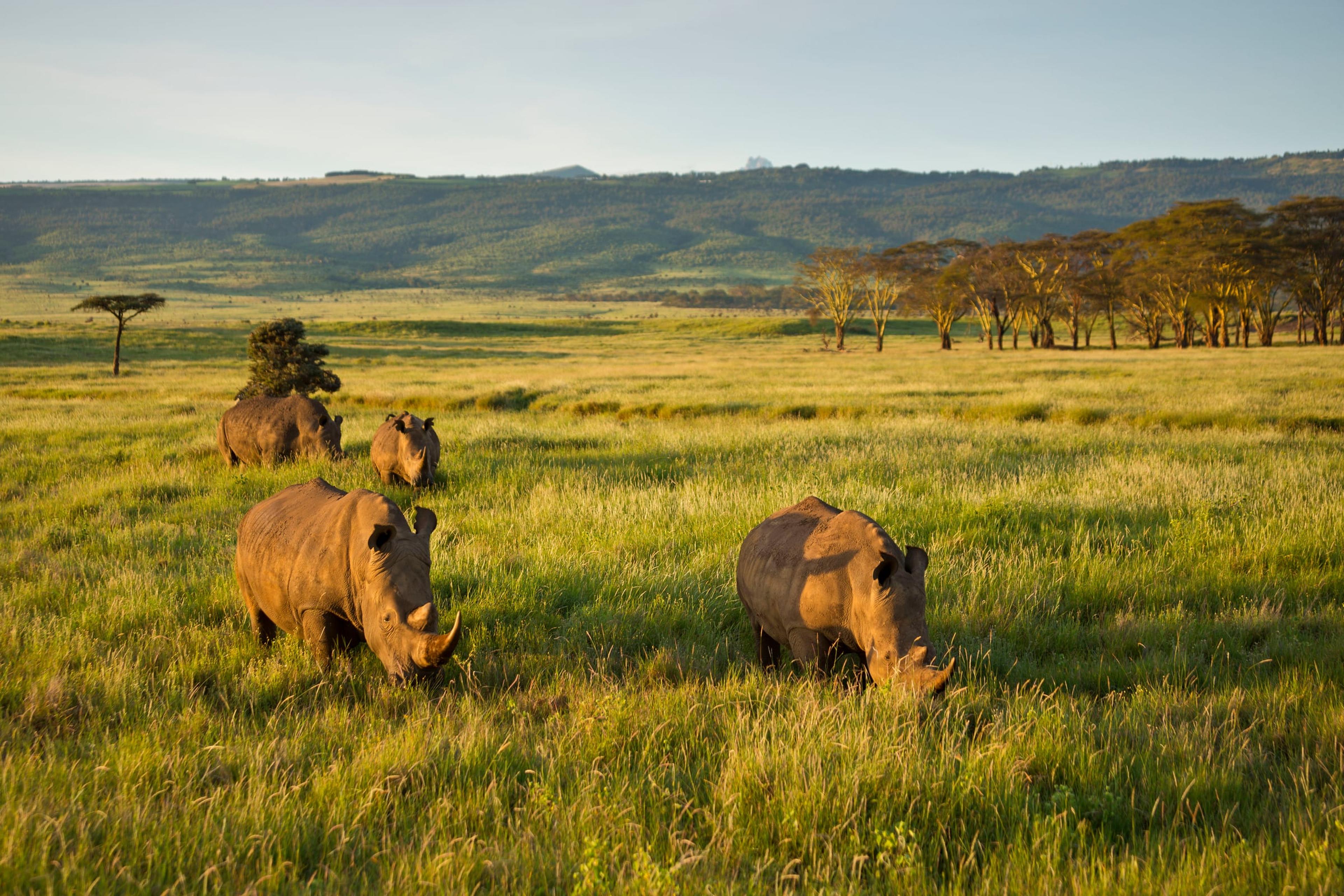
Financial risk related to biodiversity loss: black swan or white rhino?
 © naturepl.com / Tim Laman / WWF
FMO, SNV, WWF en CFM winnen aanbesteding: €160 miljoen voor Nederlands Fonds voor Klimaat en Ontwikkeling
Science based
WWF’s conservation work is grounded in science. We develop innovative approaches and apply the best available information to efforts directed at meeting the needs of both nature and people in a changing world. We also rely on the scientific process to ensure that our on-the-ground conservation programs are effective and produce measurable results.
Frameworks
Read more about the Sustainable Financial Regulations and Central Bank Activities (SUSREG). This is a study by WWF on the sustainability of the financial sector. This research provides an assessment framework for how supervisory authorities in the financial sector take climate, nature-related and social risks into account.
Policy paper: A Nature Positive Dutch Financial Sector (PDF). Written by members of the academic think tank the Sustainable Finance Lab (SFL).
Case studies
The Global Impact Investment Network (GIIN) and partners WWF-NL and Arcadis launched an impact project that draws on the collective knowledge and experience of 85+ stakeholders to help investors select impact strategies and adopt recommended sets of metrics that track performance toward their goals.
WWF helped the Dutch pension fund Rail & OV carry out a study on why biodiversity is a relevant topic for institutional investors like them.