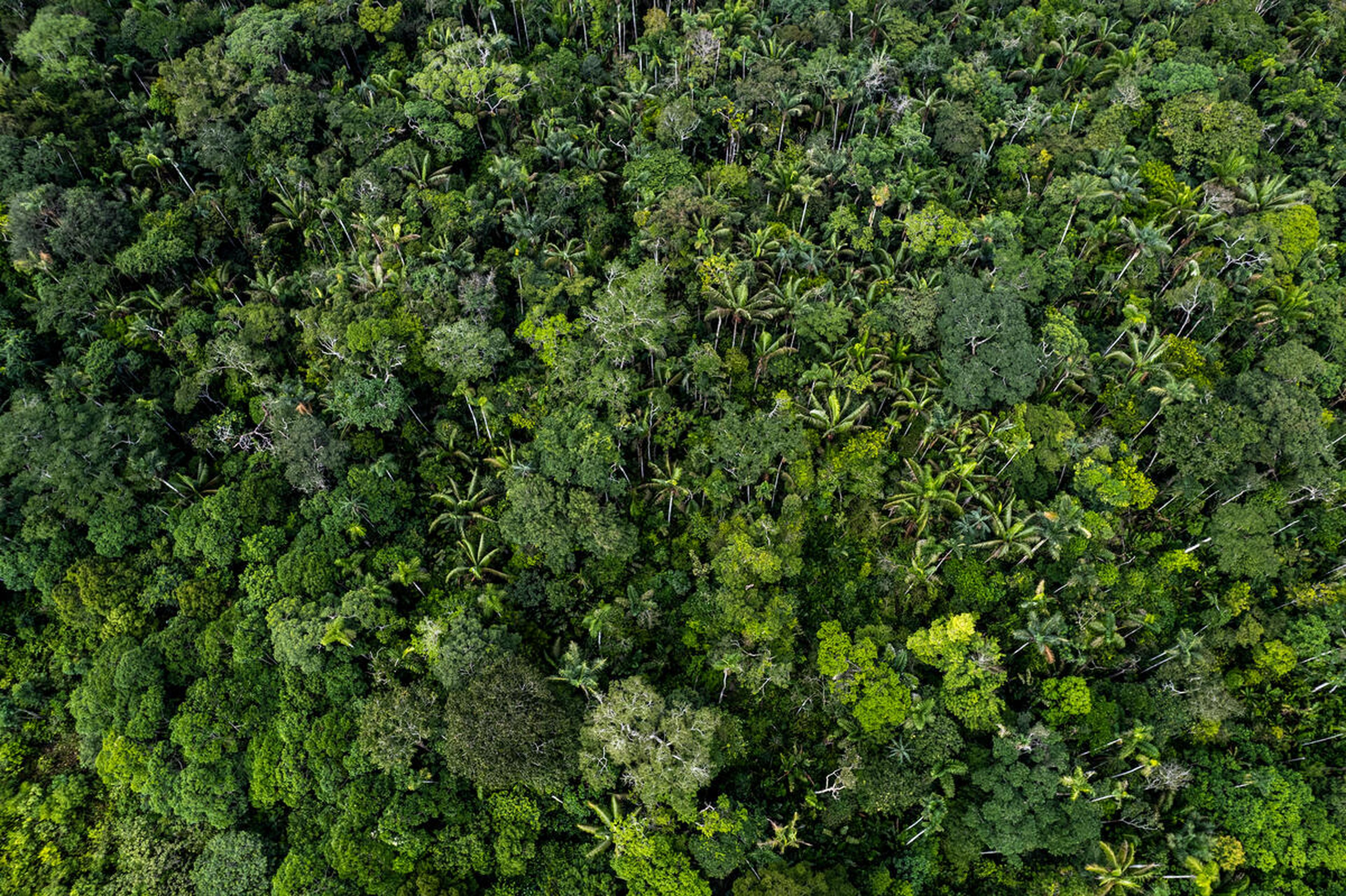
© © camilodiazphotography / WWF Colombia / WWF-UKFrom Forest to Table: The Delights of the Carob Tree
In Paraguay’s Chaco region, indigenous women are finding resilience both in tradition and trees.
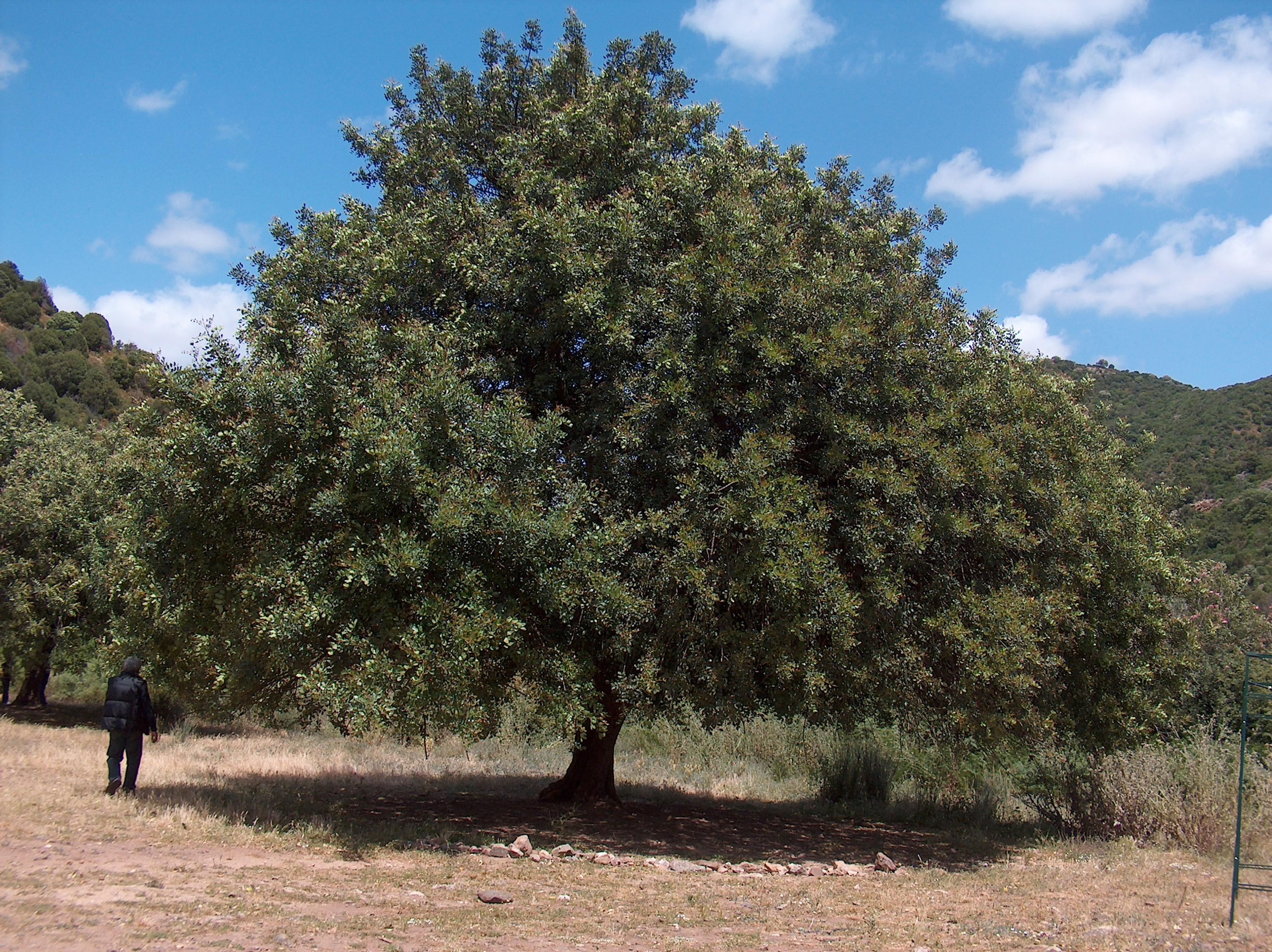
© CC BY-SA 3.0, https://commons.wikimedia.org/w/index.php?curid=2174570Deze pagina is in het Engels. Wil je meer informatie? Neem dan contact op!
Nivachei women from the community Samaria, located in the Loma Plata district of Boquerón, are transforming their reality through a native tree known for its nutritional value and ancestral significance: the carob tree. This specie has nourished Chaco communities for generations and is now becoming a source of income and a symbol of resilience facing the climate crisis.
The Gran American Chaco, shared by Paraguay, Bolivia, and Argentina, is undergoing a desertification process worsened by deforestation and lack of rainfall. Between 2020 and 2022, the area experienced its most severe drought in 80 years, linked to the phenomenon La Niña, with serious consequences for food security and local livelihoods.
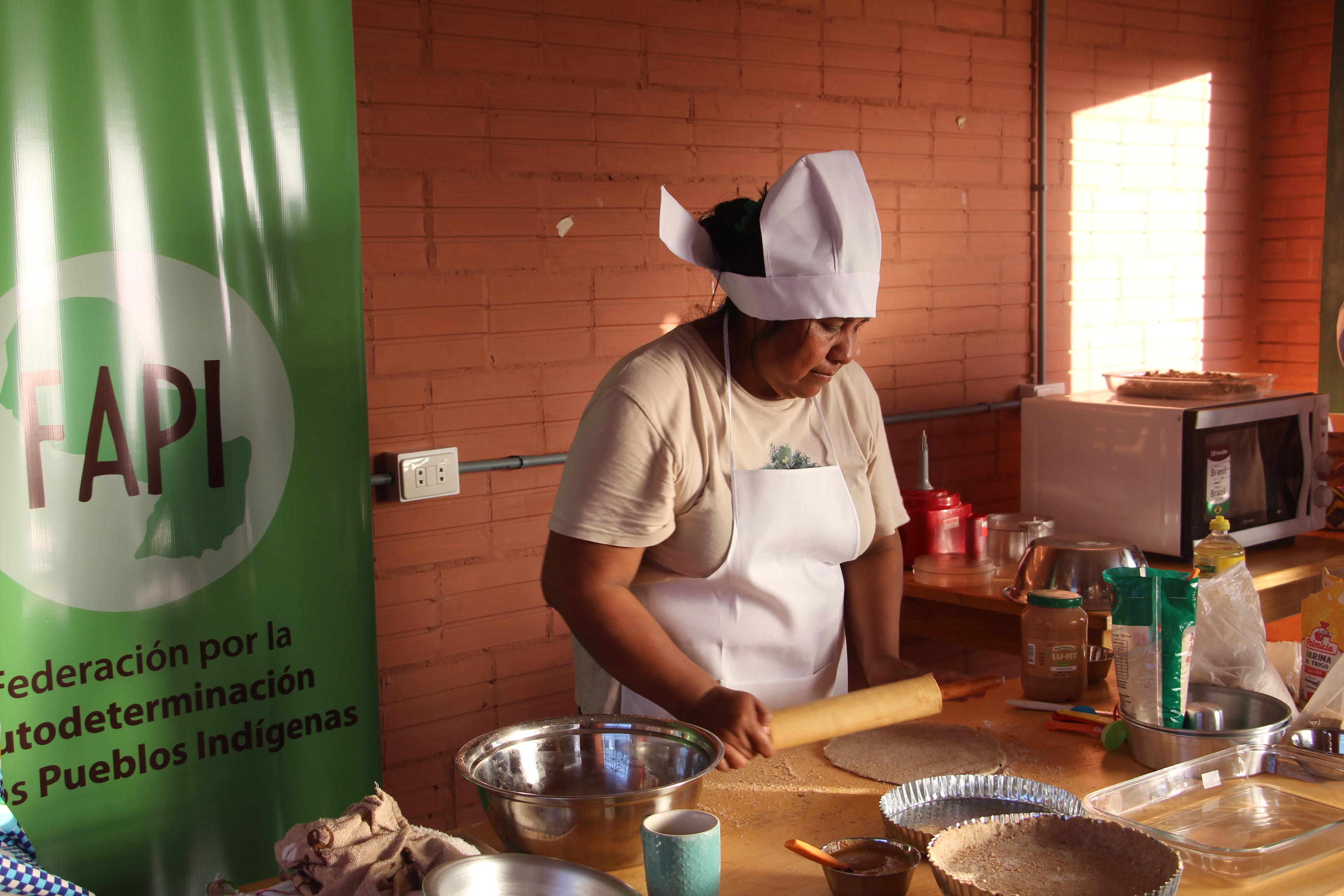
© FAPIIn this context, the carob tree, whose fruit is known as algarroba, offered a valuable alternative. Its pods can be harvested even during droughts and are rich in protein, fiber, iron, and antioxidants. This tree not only feeds families, it also supports a local economy led by women.
The organization Fa’ay lhavoquey ("Women Carob Gatherers"), founded in 2019 by ten Nivachei women, collects carob pods between November and December. “We traveled to areas with sweet carob trees, because the ones near us aren’t sweet,” explains Rogelia Pérez, the group’s representative. After washing, drying, and grinding the pods, they produce preservative-free, agroecological flour, which they sell for G. 50,000 per kilo (about 7 USD).
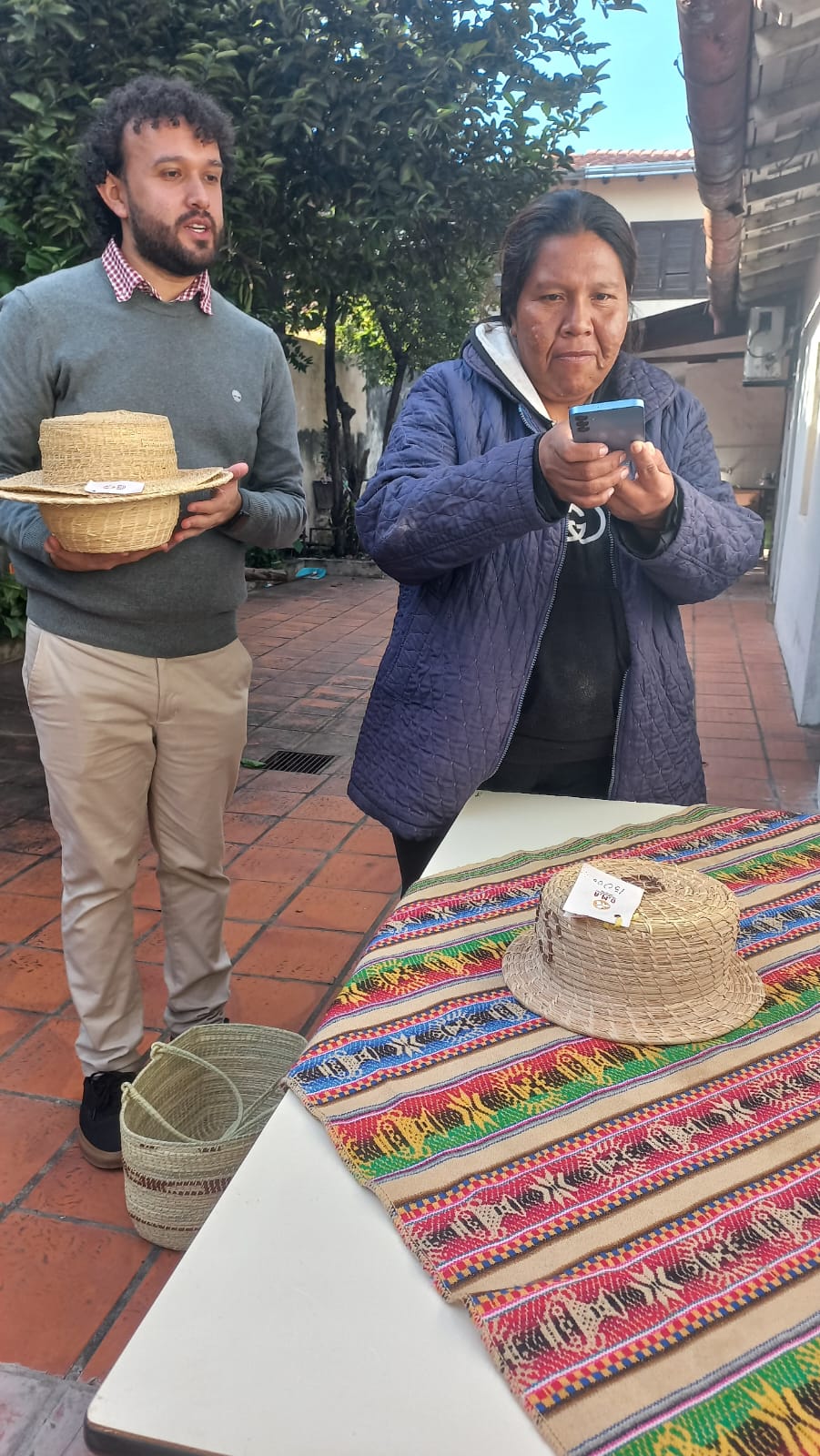
With support from the Federation for the Self-Determination of Indigenous Peoples (FAPI) – a local partner of the Voices for Climate Action (VCA) project – these women were able to acquire milling and packaging equipment, as well as work tools. They also received training in digital marketing, which helped them increase the visibility and promotion of their products. In 2024, they traveled to Paraguay’s capital, Asunción, to take part in an agroecological fair in Plaza Italia, where they connected with a new audience interested in sustainable products.
© FAPIThe group is also part of the Acôs Cava Fa’ay campaign ("The Delights of the Carob Tree"), driven by the Gran Chaco Network of Digital Content Creators, a project by the Sunú Group for Intercultural Action, another VCA partner. This network created a series of videos in which the Nivaclé women themselves share recipes made with carob flour, highlighting its nutritional value and versatility.
Watch "The Delights of the Carob" on YouTube
The impact of this initiative is tangible and transformative: it helps conserve a key tree species of the Chaco ecosystem, uplifts Indigenous knowledge, and opens new economic opportunities for women. “It’s not just about selling,” says Rogelia, “it’s about keeping our culture alive.
Related articles
© © camilodiazphotography / WWF Colombia / WWF-UK
© Yunaidi Joepoet, Yayasan WWF IndonesiaTropisch bosgebied zo groot als Limburg beter beschermd
About amplifying voices for just climate action
The Climate Crisis that we are facing has no frontiers. We believe it is only possible to foster a just transition to low-carbon and climate-resilient futures with a new level of civil society leadership. This is what Voices for Just Climate Action stand for.
)
)